Domain trinkhörner.de kaufen?
Wir ziehen mit dem Projekt
trinkhörner.de um.
Sind Sie am Kauf der Domain
trinkhörner.de interessiert?
domain@kv-gmbh.de · 0541-91531010
Domain trinkhörner.de kaufen?
Travelling or traveling?
Both "travelling" and "traveling" are correct spellings of the word, but they are used in different regions. "Travelling" is more commonly used in British English, while "traveling" is more commonly used in American English. **
Will or gonna?
"Will" and "gonna" are both used to express future actions, but there are slight differences in their usage. "Will" is more formal and is used in more formal situations, while "gonna" is a more informal and colloquial way of expressing future actions. **

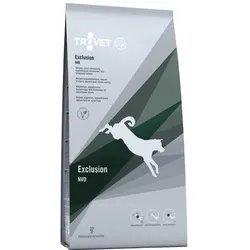
Ähnliche Suchbegriffe für Inclusion-or-Exclusion-in
Top-Angebote
Produkte zum Begriff Inclusion-or-Exclusion-in:

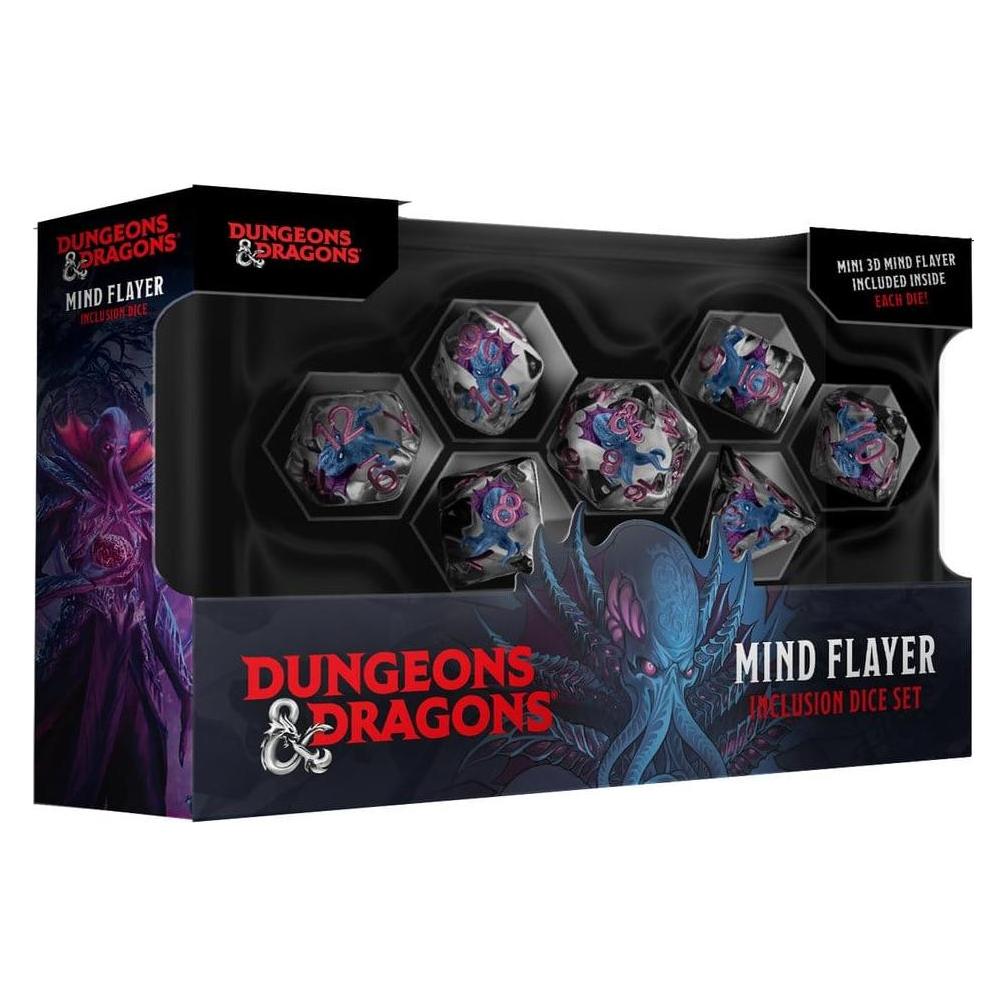
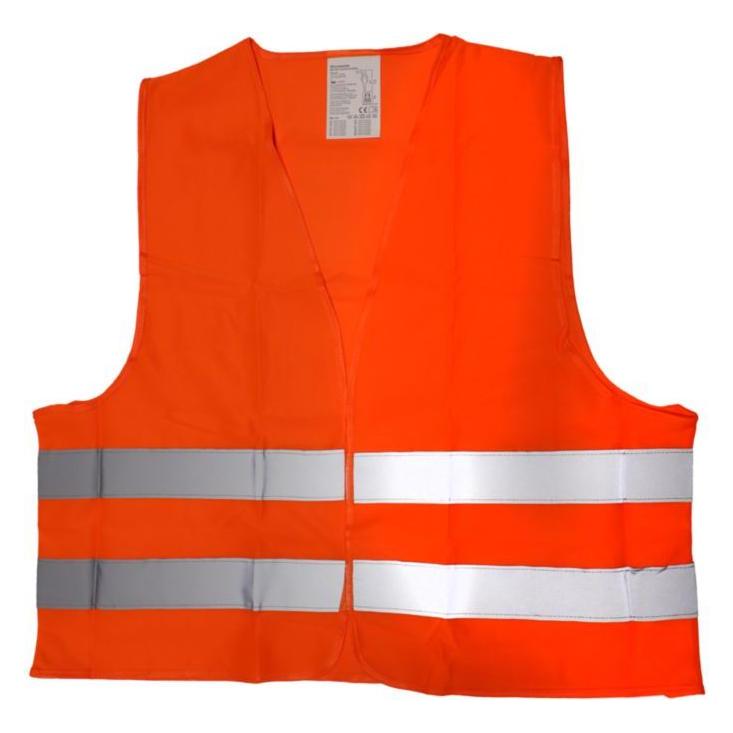
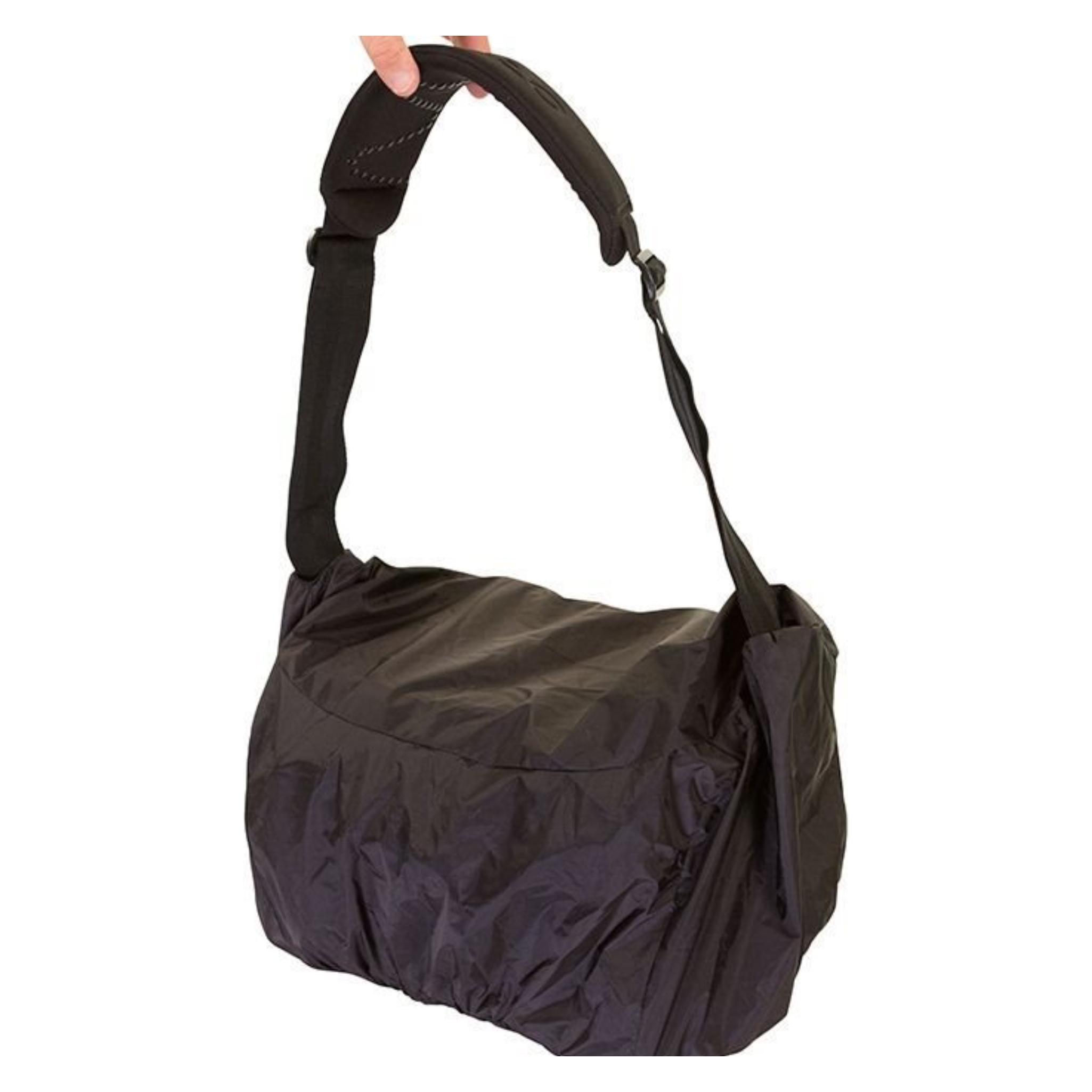
-
Doesn't or don't?
The correct form to use depends on the subject of the sentence. "Doesn't" is used with singular subjects, while "don't" is used with plural subjects. For example, "He doesn't like coffee" (singular subject) and "They don't like coffee" (plural subject). **
-
Gucci or Prada?
That is a subjective question and it depends on personal preference. Both Gucci and Prada are luxury fashion brands known for their high-quality products and unique designs. It ultimately comes down to individual style and taste. **
-
Go or goes?
The correct form would depend on the subject of the sentence. "Go" is used with the pronouns "I," "you," "we," and "they," while "goes" is used with the pronouns "he," "she," and "it." For example, "I go to the store" and "She goes to the store." **
-
Cake or fake?
It depends on the context. If you are asking about a choice between eating cake or something that is not real, then cake would be the preferred option. However, if you are asking about the authenticity of something, then fake would imply that it is not genuine or real. **

Naruto or Orochimaru?
It depends on personal preference. Naruto is the main protagonist of the series and is known for his determination and strong sense of justice. Orochimaru, on the other hand, is a complex character who is driven by his thirst for power and immortality. Both characters have their own unique qualities and story arcs that make them interesting in their own ways. **
Do or make?
The choice between "do" and "make" depends on the context and the specific action being referred to. "Do" is generally used for activities or actions that involve performing or carrying out something, while "make" is used for creating or producing something tangible. For example, you would say "do your homework" but "make a cake." **
Top-Angebote
Produkte zum Begriff Inclusion-or-Exclusion-in:
-
Travelling or traveling?
Both "travelling" and "traveling" are correct spellings of the word, but they are used in different regions. "Travelling" is more commonly used in British English, while "traveling" is more commonly used in American English. **
-
Will or gonna?
"Will" and "gonna" are both used to express future actions, but there are slight differences in their usage. "Will" is more formal and is used in more formal situations, while "gonna" is a more informal and colloquial way of expressing future actions. **
-
Doesn't or don't?
The correct form to use depends on the subject of the sentence. "Doesn't" is used with singular subjects, while "don't" is used with plural subjects. For example, "He doesn't like coffee" (singular subject) and "They don't like coffee" (plural subject). **
-
Gucci or Prada?
That is a subjective question and it depends on personal preference. Both Gucci and Prada are luxury fashion brands known for their high-quality products and unique designs. It ultimately comes down to individual style and taste. **
Ähnliche Suchbegriffe für Inclusion-or-Exclusion-in
-
Horn, Roni: Give Me Paradox or Give Me DeathGive Me Paradox or Give Me Death , Working across sculpture, photography, drawing and artist's books, Roni Horn addresses identity, mutability and unease. The title of this book, which accompanies the artist's exhibition of the same name at the Museum Ludwig, Cologne, is borrowed from Patrick Henry, a prominent representative of the American independence movement in the eighteenth century who ended a speech with the famous words: "Give me liberty, or give me death!" By replacing liberty with paradox, Horn nods to her interest in the reconciliation of two contradictory answers, an important aspect in her work, which also relates to her use of doubling or pairs. A seminal example of this is This is Me, This is You (1997-2000), photographs of the artist's niece taken over a two-year period during her adolescence and presented on two opposite walls, or a.k.a. (2008-09), which captures the artist at different moments throughout her life. The catalogue presents the more than 100 works in the exhibition, including drawings from the late 1970s that have never been shown before, as well as a selection of pigment drawings made between 1983 and 2018. Co-published with Museum Ludwig, Cologne Exhibition: Museum Ludwig, Cologne, 23 March to 11 August 2024 Sprachen: Deutsch, Englisch , Rück- & Bremsleuchten > Lichter & Leuchten , Erscheinungsjahr: 20240523, Produktform: Leinen, Autoren: Horn, Roni, Redaktion: Dziewior, Yilmaz, Seitenzahl/Blattzahl: 312, Themenüberschrift: PHOTOGRAPHY / Individual Photographers / General, Keyword: 2024; Ausstellung; Fotografie; Gender; Identität; Köln; Museum Ludwig; Skulptur; Zeichnung, Fachschema: Farbfotografie~Fotografie~Photo~Photographie~Fotograf - Fotografin~Künstler - Künstlerin, Fachkategorie: einzelne Künstler, Künstlermonografien, Warengruppe: HC/Fotografie, UNSPSC: 49019900, Warenverzeichnis für die Außenhandelsstatistik: 49019900, Länge: 281, Breite: 222, Höhe: 28, Gewicht: 1480, Produktform: Gebunden, Genre: Geisteswissenschaften/Kunst/Musik,31,36 €*Versand: 0,00 €Sichere Weiterleitung zum Anbieter
-
Go or goes?
The correct form would depend on the subject of the sentence. "Go" is used with the pronouns "I," "you," "we," and "they," while "goes" is used with the pronouns "he," "she," and "it." For example, "I go to the store" and "She goes to the store." **
-
Cake or fake?
It depends on the context. If you are asking about a choice between eating cake or something that is not real, then cake would be the preferred option. However, if you are asking about the authenticity of something, then fake would imply that it is not genuine or real. **
-
Naruto or Orochimaru?
It depends on personal preference. Naruto is the main protagonist of the series and is known for his determination and strong sense of justice. Orochimaru, on the other hand, is a complex character who is driven by his thirst for power and immortality. Both characters have their own unique qualities and story arcs that make them interesting in their own ways. **
-
Do or make?
The choice between "do" and "make" depends on the context and the specific action being referred to. "Do" is generally used for activities or actions that involve performing or carrying out something, while "make" is used for creating or producing something tangible. For example, you would say "do your homework" but "make a cake." **
* Alle Preise verstehen sich inklusive der gesetzlichen Mehrwertsteuer und ggf. zuzüglich Versandkosten. Die Angebotsinformationen basieren auf den Angaben des jeweiligen Shops und werden über automatisierte Prozesse aktualisiert. Eine Aktualisierung in Echtzeit findet nicht statt, so dass es im Einzelfall zu Abweichungen kommen kann. ** Hinweis: Teile dieses Inhalts wurden von KI erstellt.